Valentine’s Day has long been marketed as the celebration of romance, complete with roses, expensive gifts, and chocolates. Each year, advertisements push the idea that love must be proven through spending, grand gestures, and carefully selected moments. But as the expectations around the holiday continue to rise, many people are beginning to question whether those traditions actually reflect what we want or simply what we’ve been told.
Is Valentine’s Day really Valentine’s Day anymore?
Over time, Valentine’s Day has shifted from a simple celebration of love into a commercialized event. Stores begin promoting the holiday weeks in advance, emphasizing luxury dinners, jewelry, and extravagant surprises. While those gestures can be very meaningful, they often create pressure rather than joy. This turns the holiday into much less about a connection and more about a competition to receive the most expensive gift, the biggest bouquet, or the most “Insta-worthy” experience.
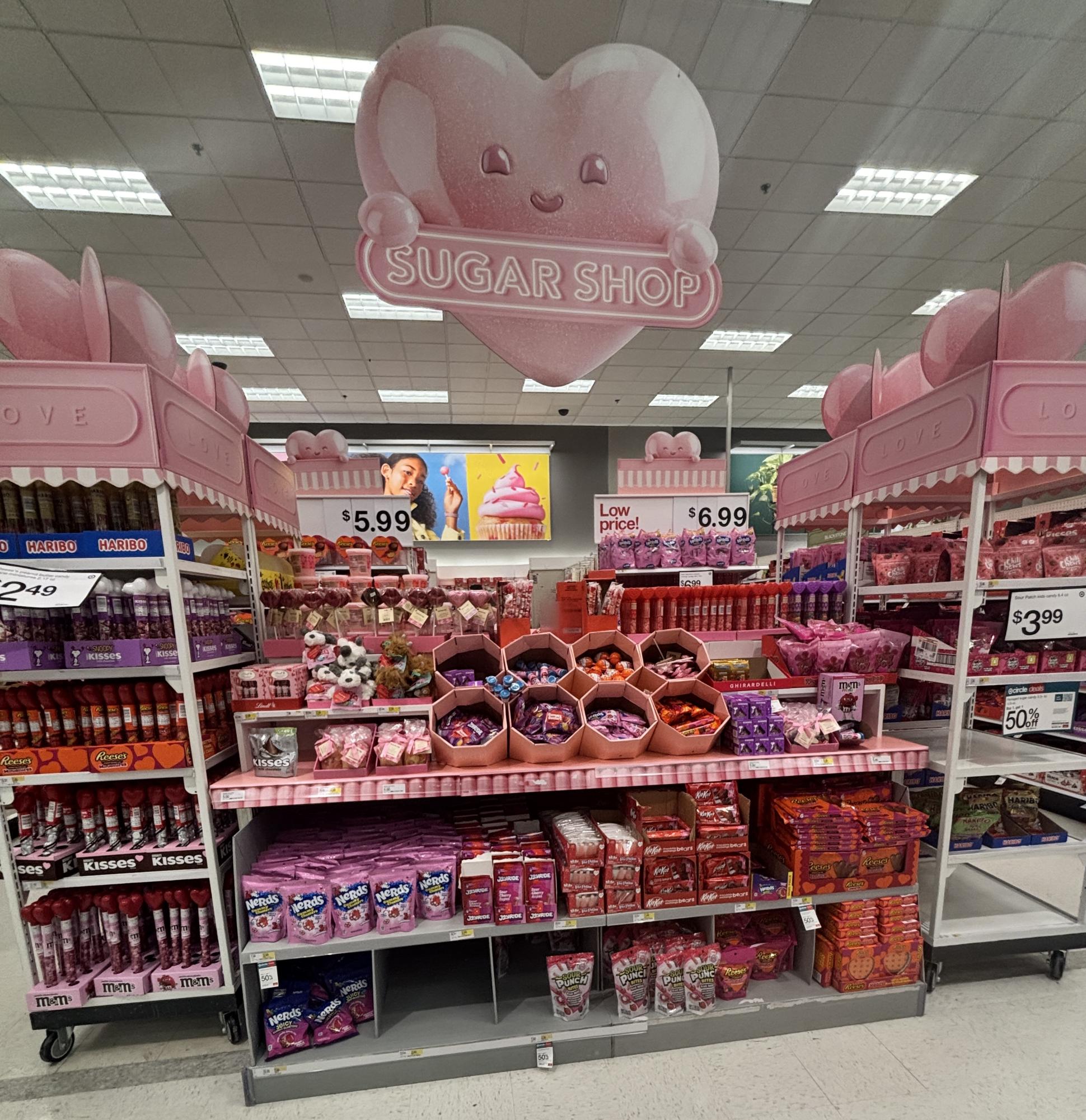
What the people want
What many people want to see is authenticity. Rather than some scripted romance, many crave the gestures that feel personal and thoughtful. Genuine attention, meaningful moments, and effort matter way more than how much money is spent. A shared experience, a picnic, or even a walk can feel more intimate and real rather than an expensive gift, laced with emotional intent.
Emotional presence is another growing desire tied to Valentine’s Day. In a world dominated by social media, attention has sadly become rare. Building on this, Valentine’s Day highlights the wish to be truly seen rather than merely acknowledged. Emotional availability, listening, and consistency outweigh the material gifts when it comes to feeling appreciated.
Do you need a Valentine?
The holiday has also expanded beyond romantic relationships. Valentine’s Day has also become a celebration for not just couples but family, friends, and self-love. Many people use this day to recognize the importance of the platonic relationship around them, offering support, stability, and care year-round. This shifts a broader understanding of love as something that can exist in many forms, not just romantic partnerships.
For singles , Valentine’s Day can be very isolating when it’s framed solely around couples. However, as the world changes, the evolving perspective of love has allowed many to reclaim the day as celebrating self-worth, personal growth, and independence. Instead of viewing the day as a reminder of what’s missing, you should use it as an opportunity to focus on people around you, even yourself.
Valentine’s Day doesn’t fail because of traditions; it fails because of unrealistic expectations about sincerity. Daliana Hoyos, a Colonia High School student, said, “Valentine’s Day isn’t about the gift; it’s about the effort and time spent in the relationship.” Valentine’s Day centers on intention, care, honesty, and gratitude for your partner or community. People want to feel considered, valued, and appreciated in ways that reflect their values.
So instead of stressing about buying the biggest bouquet or the most expensive gift, maybe you should evaluate the real goal of Valentine’s Day: to show someone that you value them in a way that feels sincere, commercial.
Story continues below advertisement