More Than Just an App
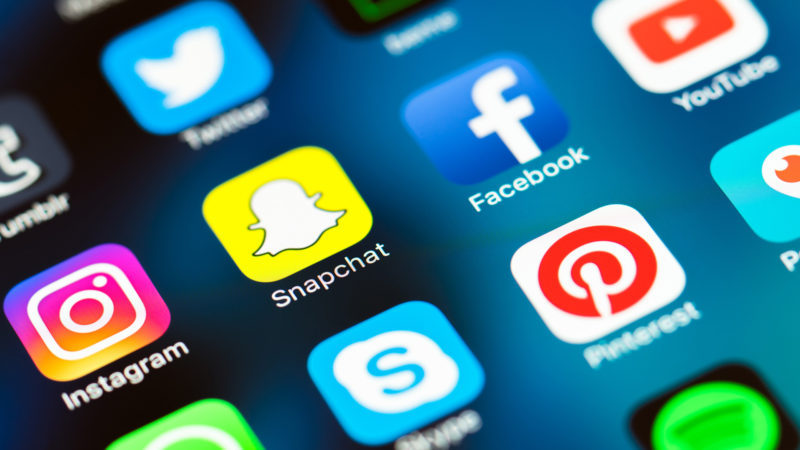
For many students, checking social media is one of the first things they do in the morning and one of the last things they do before going to sleep. Apps like TikTok, Instagram, Snapchat, and YouTube have become part of everyday life. Whether it is watching funny videos, keeping up with trends, texting friends, or posting pictures, social media plays a major role in how students spend their time.
To better understand how social media affects people, a survey of 104 individuals was conducted. Respondents answered questions about screen time, distractions, mood, jealousy, pressure to fit in, and how connected social media makes them feel.
The results showed something many students already know: social media can be fun and useful, but it can also become stressful, distracting, and hard to put down.
The Most Popular Platforms
Among younger respondents, TikTok and Instagram were the most commonly used apps. Snapchat was also popular among teens, while YouTube remained widely used across different age groups. Facebook was more common among older adults.
This reflects how social media changes with generations. Students often prefer fast-paced apps with short videos and trends, while older users may focus more on staying connected with family and friends.
One student said, “TikTok is just easy to open for a minute, but then suddenly an hour passes.”That feeling was common throughout the survey.
Another respondent shared, “Instagram helps me keep up with what everyone is doing, especially people from school.”
Hours Spent Online
One of the clearest trends in the survey was the amount of time people spend online. Many respondents said they spend between two and five hours a day on social media. Others reported more than six hours daily.
That adds up quickly. Between school, homework, jobs, sports, and sleep, students already have limited free time. Spending several hours online each day can affect how the rest of the day is used.
A respondent explained, “I don’t even realize how long I’m on my phone until I check the time.”
Another person said, “Sometimes I go on just to reply to one message and then I get distracted by everything else.”
For many students, social media does not feel time-consuming in the moment. It happens little by little.
Digital Distraction and Productivity
The survey asked participants how often social media distracts them from daily responsibilities. Many respondents selected moderate to high levels of distraction.
This is especially relatable for students trying to study. A phone notification during homework can quickly lead to checking one message, then opening another app, then scrolling for twenty minutes.
One student admitted, “I’ll be doing homework and then I pick up my phone for one second. Next thing I know, I forgot what I was even doing.”
Another respondent said, “It definitely affects my focus more than I’d like to admit.”
Social media is designed to keep attention. That makes it difficult for many people to stay productive.
Sleep and Scrolling
Another major pattern involved nighttime phone use. Many respondents said they check social media within 30 minutes of going to sleep, with answers like “Always” and “Often” appearing frequently.
Late-night scrolling has become normal for many students. After a long day, opening a phone can feel relaxing. But it can also keep the brain active longer and delay sleep.
One respondent said, “I always say I’m going to sleep early, then I end up on TikTok.”
Another person shared, “I use my phone before bed every night. It’s basically part of my routine now.”
Even though it feels harmless, poor sleep can impact energy, mood, and concentration the next day.
The Pressure to Look Perfect
Social media is not only about entertainment. For some users, it also creates pressure.
The survey asked whether respondents had ever felt pressured to post content in order to fit in or appear a certain way. Many people said yes, at least occasionally.
This shows how online spaces can feel performative. Instead of simply sharing moments, users may worry about likes, appearance, trends, or how others will react.
One student said, “Sometimes it feels like everyone else is posting perfect pictures, so you feel like you should too.”
Another respondent shared, “There’s definitely pressure to look like you’re having fun all the time.”
For teens especially, that pressure can feel intense.
Jealousy and Comparison
The survey also asked participants how jealous they feel when viewing posts from peers or influencers. While many selected lower numbers, others admitted that comparison affects them.
Seeing vacations, relationships, expensive clothes, or filtered photos can make people compare themselves unfairly to someone else’s highlight reel.
One respondent explained, “You know social media isn’t real life, but it still gets in your head sometimes.”
Another said, “It can make you feel behind, even when you’re doing fine.”
Comparison is one of the most common emotional side effects of social media use.
Helpful or Harmful?
When asked to rate the impact of social media on mood, responses were mixed. Some users said it improves their mood through humor, connection, or entertainment. Others reported more negative effects.
This suggests that social media depends heavily on how it is used. Watching funny videos or talking to friends may feel uplifting. Endless scrolling or comparison may feel draining.
One student said, “Sometimes social media makes my day better because it helps me laugh.”
Another respondent said, “Other times I get off my phone feeling worse than before.”
Both experiences can be true.
Taking a Break
Many respondents said they had deleted an app to give themselves a break. Others said they had thought about it but never followed through.
That shows growing awareness about digital burnout. More people recognize when social media stops being fun and starts feeling stressful.
One participant said, “I deleted TikTok for a week and felt way more focused.”
Another shared, “I think about deleting apps all the time, but I always redownload them.”
For many users, taking a break is easier said than done.
Still a Way to Stay Connected
Even with all the negatives, many respondents agreed that social media helps them feel connected to friends.
That may be why it remains such a major part of life. It allows people to message instantly, share memories, laugh together, and stay updated.
One respondent said, “Without social media I probably wouldn’t talk to some friends as much.”
Another person shared, “It helps me stay close with people even when we’re busy.”
For students balancing school and schedules, that connection matters.
Finding Balance
The 104 responses make one thing clear: social media is not simply good or bad. It can be entertaining, creative, and social. It can also be distracting, exhausting, and emotionally draining.
For students, the real challenge may be balance.
Using social media intentionally, setting limits, taking breaks, and remembering that online life is often filtered can help create healthier habits.
One student summed it up best: “Social media is fun when you control it. It’s a problem when it starts controlling you.”