


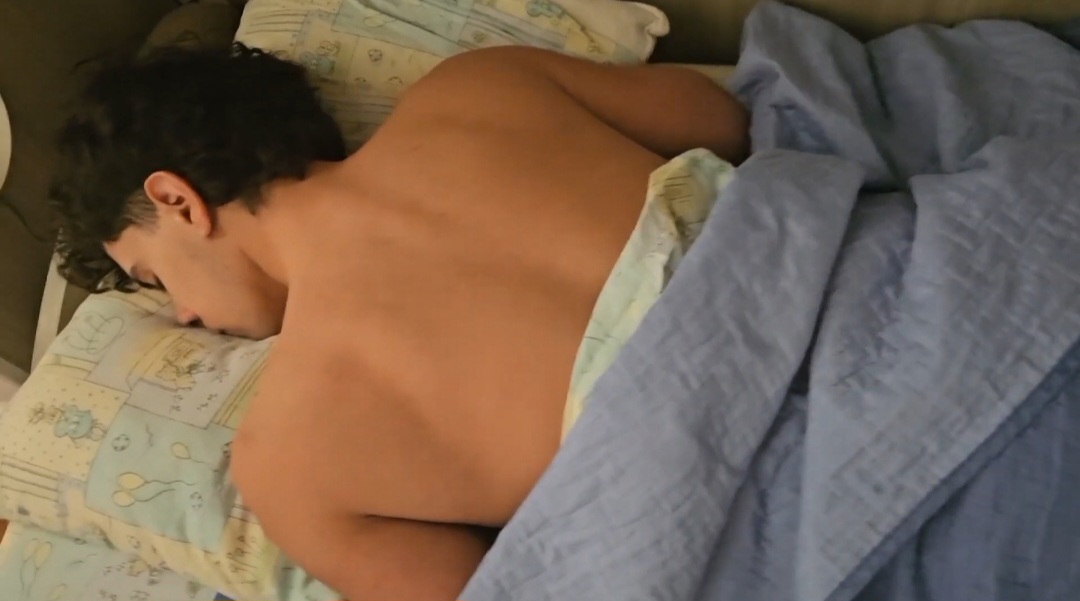
Everybody knows that getting adequate sleep at night is important for anyone, but how many actually live up to those standards? At first glance, it looks easy and routine to get 8 hours, but the numbers say different. Let’s take a deep dive into why it’s so hard for Americans, mostly teens, to get under the covers.
Excessive Screen Time
It seems that most people don’t consider this factor a lot because it has become a important part of our daily lives. Social media connects us with our friends, makes us laugh, keeps us up to date with the news, and gives us a little dopamine when we need it. But the blue light that comes from our phones, computers, and TV’s are a big reason for missed sleep. According to the AAP, screen time for teenagers 13-17 reported an average time of 8 hours and 39 minutes. (https://www.aap.org/en/patient-care/media-and-children/center-of-excellence-on-social-media-and-youth-mental-health/qa-portal/qa-portal-library/qa-portal-library-questions/average-amounts-of-screen-time/?srsltid=AfmBOooXRILV9nAhkJzXqnh0YomQdtdMhzDX1FcKBJM27ABANwS7_Dbl) The suggested amount of screen time for that age group is 1-2 hours daily. Now you see the problem.
When interviewed on when he uses his phone the most, CHS student Maan Patel said “like after school and at night.” He was asked why he goes on at night, to which he responded with, “I don’t know, it’s like, relaxing.” Patel also noted that “my homework makes me kinda stressed and I like scrolling before bed.” This is a huge clue as to why teens are losing sleep. An overload of homework causes students to take time out of their day and prioritize school questions instead of focusing on their mental wellbeing. To combat this stress, phones provide a quick hit of dopamine that can ease the pain. Nevertheless, phones are becoming a big part of our daily life, but it may be too much for teens.
Sleep Quality
Most fixate on the hours that they need to get, but very little actually think about the quality of the hours that they’ve gotten. According to a survey directed by The Declaration, 54.8% of responders feel awake after sleep, but want to go back to bed. The only reason for wanting to go back to bed is because you weren’t there long enough. When you wake up, you should feel better than you did before you went to bed. If you go by those 2 ideals, you can have very high sleep quality.
When questioned on his sleep quality, CHS student Antoni Rebisz says that he feels “OK” when he wakes up in the morning. When asked why he doesn’t feel well rested, he said, “because school starts too early and I don’t really get 8 hours.” School has become a recurring suspect in this investigation.
Sleep Anxiety
Sleep should be a very relaxing and relieving part of our lives, since it’s the only part of our day we get to decompress and have some time to ourselves. But, the opposite is actually occurring. What does this anxiety actually mean? Well, students of today are met with strict deadlines. For example, a student-athlete at CHS, Cason Chiera, said he “thinks that homework is too hard sometimes.” “There’s not enough time.” Cason is a football, basketball, and varsity baseball player. Most students see a bedtime as a deadline, and naturally want to avoid it or become worried about it. According to a survey posted by The Declaration, 66.6% of responders said that they feel some kind of anxiety when it comes to going to sleep.
Sleep Schedule Consistency
Going along with the school factor, many teens seem to lose out on sleep because of the early wake-up call for school. Because of natural puberty shifts as you can read in an article written by the AASM, (https://aasm.org/sleep-changes-predict-the-onset-of-physical-changes-associated-with-puberty/) teenagers naturally get tired later on in the night. But, with the forced bedtime of 10:00-10:30 pm, it causes immense stress and pressure to fight their own bodies’ schedule.
When inquired on how their sleep schedule fares on school weeks, CHS freshman student-athlete Alex Corona said that “I don’t get 8 hours a lot. Except for the weekends.” He also stated that he usually gets naturally tired “around 10:45-11:00pm.” According to a poll directed by The Declaration, about 86% of responders said that their sleep is not “very consistent,” which is an expectation of all teenagers, not a perk. So a naturally late bedtime and early wake up has given us another clue. Let’s look into the final one.
Caffeine
Teen caffeine consumption has risen significantly due to the rise of energy drinks, coffee, and soda. According to a quote from an article published by the Torrance Memorial Medical Center, (https://www.torrancememorial.org/healthy-living/blog/caffeine-culture-teens-and-energy-drinks/) “‘A small pre-teen might experience heart palpitations or insomnia from the same amount that barely wakes up an adult.'” Insomnia is the key word there.
When inquired on his caffeine intake weekly, CHS student Arjun Briyah says that he drinks 4-5 Alani Nu drinks per week. Each of these drinks contains 200mg of caffeine. Arjun also reported he stays up “mad late” on some school nights, but for a reason he doesn’t know.


