


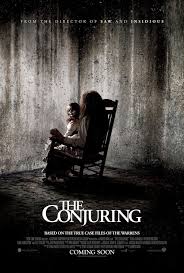
“The Conjuring,” released in 2013 and directed by James Wan, is a standout in the horror genre, particularly within the realm of supernatural thrillers. The film masterfully blends suspense, chilling visuals, and a compelling narrative based on the alleged real-life experiences of paranormal investigators Ed and Lorraine Warren. “The Conjuring” distinguishes itself by focusing on atmosphere and psychological terror rather than relying solely on jump scares, creating a sustained sense of dread that lingers long after the credits roll.
Plot
One of the film’s greatest strengths is its meticulous attention to detail in recreating the 1970s setting. From the wardrobe to the interior design of the haunted farmhouse, every element contributes to a sense of authenticity that grounds the supernatural events in a believable reality. This commitment to realism enhances the audience’s immersion and makes the horrors that unfold all the more unsettling. Wan’s direction is also noteworthy for its use of long takes and carefully framed shots, which build tension and draw viewers deeper into the Warrens’ investigation of the Perron family’s terrifying ordeal.
The performances in “The Conjuring” are uniformly excellent, with Vera Farmiga and Patrick Wilson delivering nuanced portrayals of Lorraine and Ed Warren. Their on-screen chemistry and dedication to their roles lend credibility to the Warrens’ claims and add emotional depth to the story. Lili Taylor and Ron Livingston, as Carolyn and Roger Perron, also shine as the terrified parents struggling to protect their children from an increasingly malevolent presence. The film’s success lies in its ability to create believable characters whom the audience can empathize with, making their plight all the more terrifying. “The Conjuring” is a well-crafted horror film that succeeds in scaring its audience through atmosphere, strong performances, and a story rooted in the unsettling idea that real-life horrors may lurk just beyond our perception.


