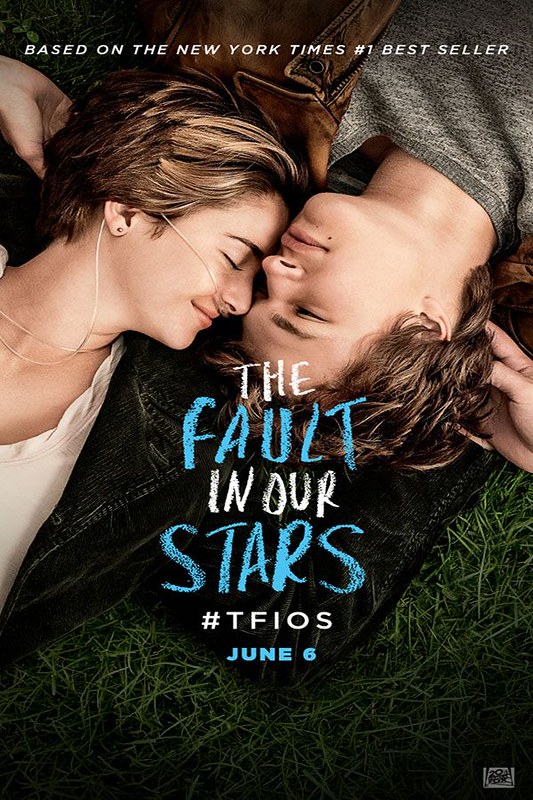
Published in 2012, The Fault in Our Stars, written by John Green, quickly became one of the most popular young adult novels of its time. The book follows the lives of teenagers living with cancer, blending romance, humor, and tragedy into a deeply emotional story. Known for its raw honesty and powerful themes, the novel has gained a massive following among readers of all ages. But beyond the hype, what makes this book so impactful?
Plot
The story centers around Hazel Grace Lancaster, a 16-year-old cancer patient who attends a support group where she meets Augustus Waters. As their relationship develops, the two form a deep connection built on humor, honesty, and shared experiences with illness. Together, they navigate love, fear, and the uncertainty of their futures, leading to both heartwarming and devastating moments. The plot is simple, but the emotional weight behind it makes it compelling and difficult to put down.
Characters
One of the novel’s strongest aspects is its characters. Hazel is thoughtful, sarcastic, and self-aware, making her a relatable and realistic narrator. Augustus, on the other hand, is confident, charming, and often philosophical, bringing a different perspective to their relationship. Their dynamic feels genuine, which makes their story even more emotional. While some readers may find Augustus slightly idealized, both characters contribute to the depth and impact of the novel.
Themes and Message
The book explores themes of mortality, love, and the search for meaning in life. Rather than focusing only on sadness, it highlights how people can find joy and purpose even in difficult circumstances. John Green avoids making the story overly dramatic or unrealistic, instead presenting a more honest and sometimes uncomfortable look at illness and its effects. The message emphasizes that life is not defined by its length, but by the connections and experiences within it.
Writing Style
Green’s writing style is both simple and thought-provoking. The dialogue is witty and often filled with philosophical ideas, which adds depth to the story. At times, the language can feel a bit overly poetic or unrealistic for teenagers, but it still contributes to the emotional tone of the book. The pacing is steady, allowing readers to connect with the characters before the more intense moments unfold.
Conclusion
Overall, The Fault in Our Stars is an emotional and memorable novel that lives up to much of its popularity. It combines humor, romance, and tragedy in a way that leaves a lasting impression on readers. While it may not appeal to everyone, especially those who prefer lighter stories, it is undeniably powerful and thought-provoking. For a in detail summary of this book, you can visit LitCharts.