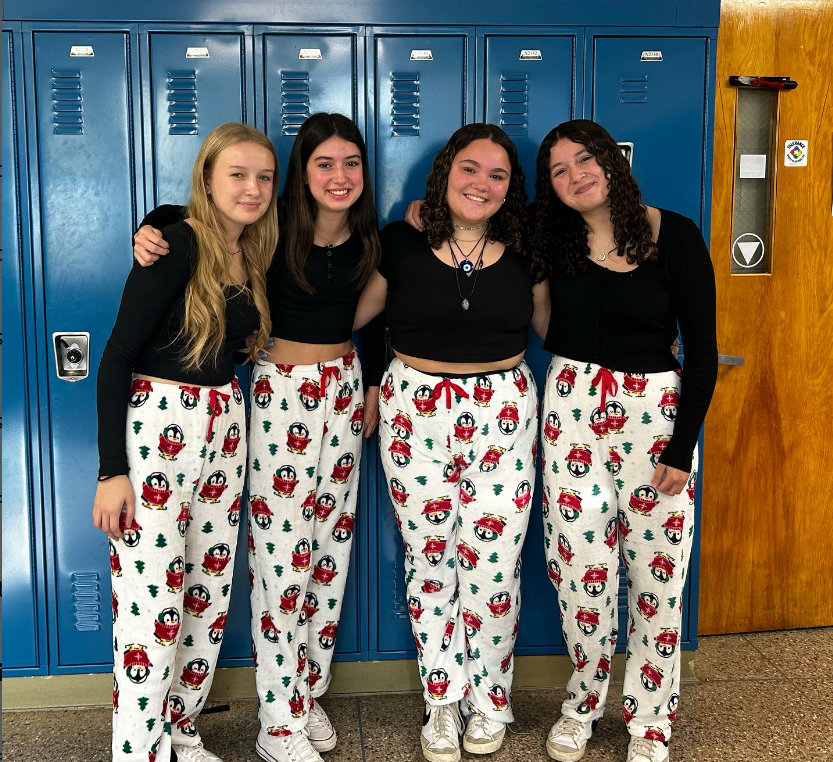
High school hallways are turning into a runway for “dupes” as students ditch $100 leggings for Amazon alternatives that look exactly the same for a fraction of the price.
The Price of the Aesthetic
If you walk down the hall during passing period, you’ll see the same specific look everywhere: sleek flared pants, buttery soft tees, and zip-ups that look like they cost a fortune. But if you ask anyone where they got their outfit, they probably won’t say a designer store. Instead, they’ll pull up an Amazon link or a TikTok Shop listing.
The pressure to keep up with the “clean girl” aesthetic is real, but most teenagers don’t have hundreds of dollars to spend on a single hoodie. This has led to a massive shift in how people shop. Instead of saving up for months for one name-brand item, students are buying five “dupes” that look identical and feel just as good.
“I used to feel like I had to have the logo to fit in, but now it’s almost a flex to find the cheapest version of something expensive,” says Chloe Reed, a sophomore who says her entire wardrobe is basically from online marketplaces.
Quality Over the Label
It isn’t just about being cheap, though. A lot of students are actually starting to care more about what their clothes are made of than what the tag says. There is a huge obsession right now with specific fabrics like nylon and spandex blends because they have that “sculpting” effect that everyone wants.
If a $15 shirt from a random brand has that same breathable, stretchy feel as a $60 designer one, most people are going to choose the $15 one every single time. The “dupe” culture has made it so that looking “expensive” is actually pretty affordable if you know where to look.
“It is honestly just smarter to buy the dupe because nobody can even tell the difference once you have it on,” explains Jordan Lee, a senior who tracks viral trends. “I’d rather have five different colors of the same shirt than just one name-brand one that I have to wash every single day.”
Gate keeping is Officially Over
In the past, people used to “gate keep” their favorite stores to keep their style unique, but that is totally dead now. If someone finds a good deal on a pair of sneakers or a certain “buttery” yoga jacket, they post the link immediately. This community-style shopping has made it easier for everyone to stay on trend without going broke.
The rise of these alternatives is putting a lot of pressure on big-name brands to lower their prices or change their marketing. If they can’t prove why their version is better than the $20 version on TikTok, they might lose this generation of shoppers for good.
As the school year goes on, it’s clear that the “dupe” isn’t just a phase. It’s a whole new way of dressing that prioritizes the look and the feel of the clothes over the status of a logo. For most students, being “on trend” now means being a pro at finding the best deals.