Comfort shifted in digital realms well ahead of what we wear. How we settle into screens moved faster than fabrics on skin.
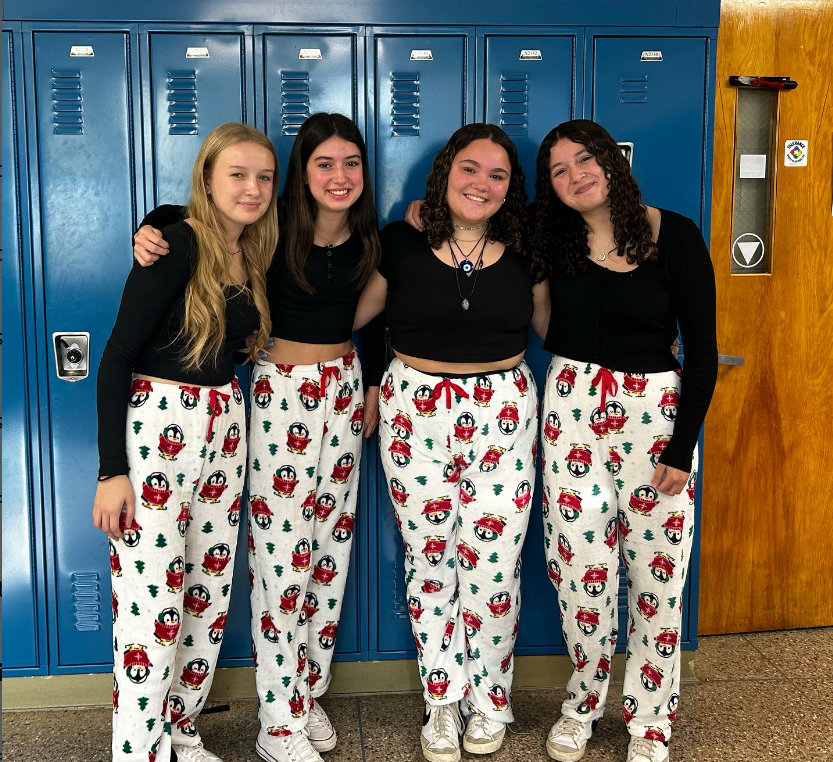
Folded shoulders whisper what bright displays designed. Not just curved backs fixed on shimmering glass, either. Identities changed – quiet, steady – in digital spaces. Showing who you are grew easier than choosing it. Once, Instagram found beauty in clutter made soft: fabric pooled near warm light in a quiet room. Not focused on outfits, never was. More like shaping moods with photos. Pajamas appeared – not for parties, yet still worn proudly – to say staying put held value too. Being seen wasn’t about location nearly as much as simply being there.
Out of nowhere, spaces grew smaller on screens. Thanks to upright clips, corners once ignored now held attention. Bedrooms became stages without warning. Routines at dusk began traveling beyond neighborhoods. A quiet moment, say brushing after dark, could echo far – simply by keeping the device still. Night clothes started stepping out of shadows. They showed up more, almost like regular outfits picked without care. Changes caught attention – brands saw patterns not in cash register totals but when posts about pajamas suddenly crowded online spaces. The trend did not climb from fancy parties or spotlight events. It held on simply by appearing over time, tucked inside calm photos taken where people live.
A change slipped quietly into production habits. Not tied to weather anymore, fashion followed the rhythm of internet uploads instead. One cozy set released during warm weeks might find its moment later, when viewers bundled under blankets scrolling through clips in winter. Predictions for inventory started counting the lag from viral moments to checkout clicks. Sales relied less on what surged fast, more on slow ripples spreading after phones glowed far away.
Even if unseen, sound changes how cloth seems. When downpours play or logs crackle, grainier weaves start making sense. Fleece steps forward then. So does brushed cotton, quiet but clear. Near gentle audio loops under morning routines online, ribbed patterns turn up again and again. Clips that land well travel farther through engines tuned to see views through. Length stays higher once pieces align – the sight, the hum, the hint of plush. What you see, mixed with sound, suggests texture. Suddenly fabric isn’t only fabric – it becomes part of how we interact. Material folds into movement. How it feels matters more than how it looks.
Now rest shows up in new ways. It is less about appearance, instead tied to where we place boundaries around stopping versus moving. If others spot that pause, it shifts into something seen. Visibility changes its weight completely. Most people still find it strange to wear sleep clothes out in the open. Realness on screens usually comes from tiny repeated actions. In this place, nightgowns appear just where ties once held power. Style shifts blur past standards bit by bit. It’s not about location nearly as much as who picks which moments remain visible.
Sleepwear started gaining clout even though no brand announced it. Shifts happened because of daily routines, instead of commercials or catchphrases. Ease didn’t get pushed by notifications or web pages. Still, their design subtly encouraged behaviors linked to relaxation. Eventually, tiny common actions drew notice – later shaping choices. Clicks started guiding store choices, one like at a time. Product lines changed quietly, shaped by shares that slipped through screens.