The Descent: Analyzing the Narrative Structure and Pacing
Slow Burn or Stagnation? Examining Brad Anderson’s Direction
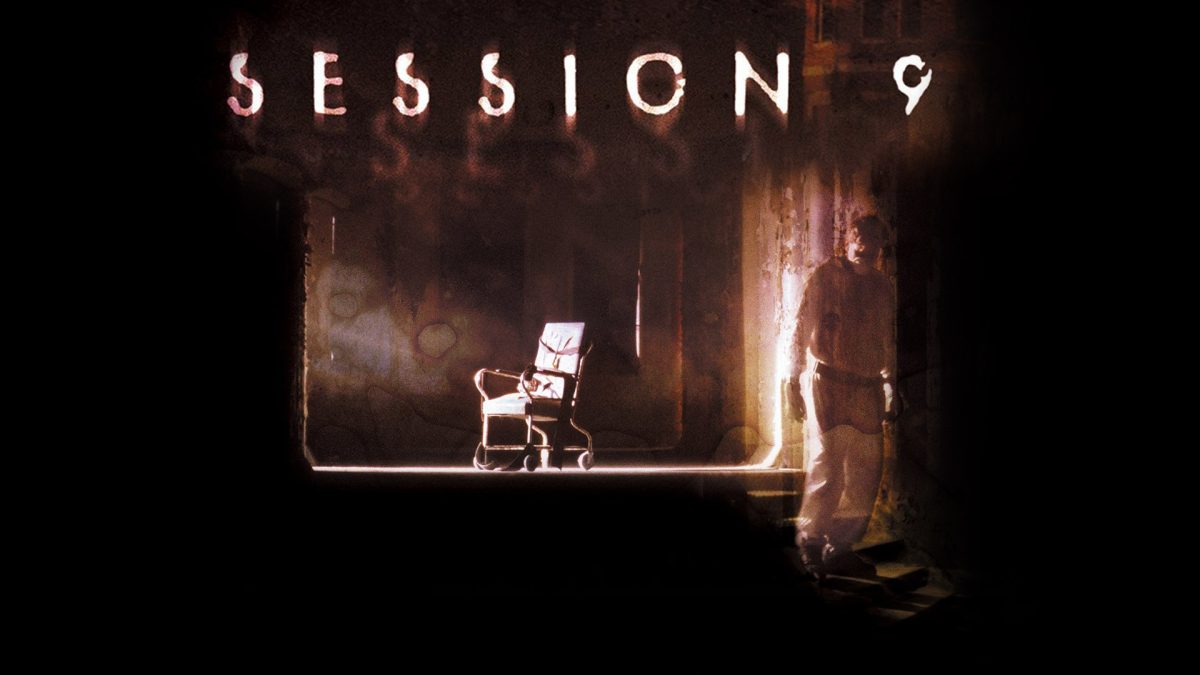
Brad Anderson directs “Session 9” with a cool, hands-off style. He skips the fast jumps and loud music you see in big horror hits. Instead, he lets the story simmer, pulling you in slowly.
This approach tests your patience at first. But it pays off as tension grows from small talk and odd looks. Anderson focuses on real feelings, not fake thrills. You feel the weight of each quiet scene.
Think of it like a pot on low heat. It bubbles up without boiling over too soon. That’s what makes the Session 9 review highlight its smart pacing.
Character Dynamics Under Pressure: The Human Cost of Isolation
The Crew: Analyzing Interpersonal Conflict
Meet the team: Gordon leads with big dreams for his company. Phil tries to keep the peace after a fight with his buddy Hank. Mike pushes ethics, while his nephew Jeff tags along, green and scared.
Tensions rise fast in the empty halls. Gordon’s stress shows in his family calls. Hank’s hot temper leads to blowups. Mike questions every risky move.
The isolation makes old beefs worse. You see friends turn on each other bit by bit. It’s like being stuck in a bad road trip, but with ghosts lurking.
The Unseen Threat: Performance Highlights and Subtlety
David Caruso shines as Gordon, hiding pain behind a tough front. His eyes tell the story of inner fights. Peter Mullan as Phil brings quiet worry that builds dread.
The actors use a few words to show big changes. A glance or pause says more than shouts. You feel their paranoia creep in.
Dialogue hints at secrets without spelling them out. Past mistakes bubble up in whispers. This subtlety makes the threat feel close, like it’s in your head too.
In Session 9 reviews, fans praise these raw turns. They make you care, then fear for these men.
The Tapes: Unmasking the Mystery of the “Sessions”
Auditory Terror: The Role of Sound Design and Found Audio
The film’s sound hits hard without a big score. Echoes of drips and steps fill the silence. It pulls you into the asylum’s grip.
Then come the tapes—old therapy recordings from a patient called Mary Hobbes. Played in snippets, they reveal dark thoughts. Her voice cracks with split personalities.
This found-footage style adds grit. You hear the raw pain, making the horror personal. No music needed; the tapes scare on their own.
Sound design here is key to psychological horror. It turns everyday noises into threats.