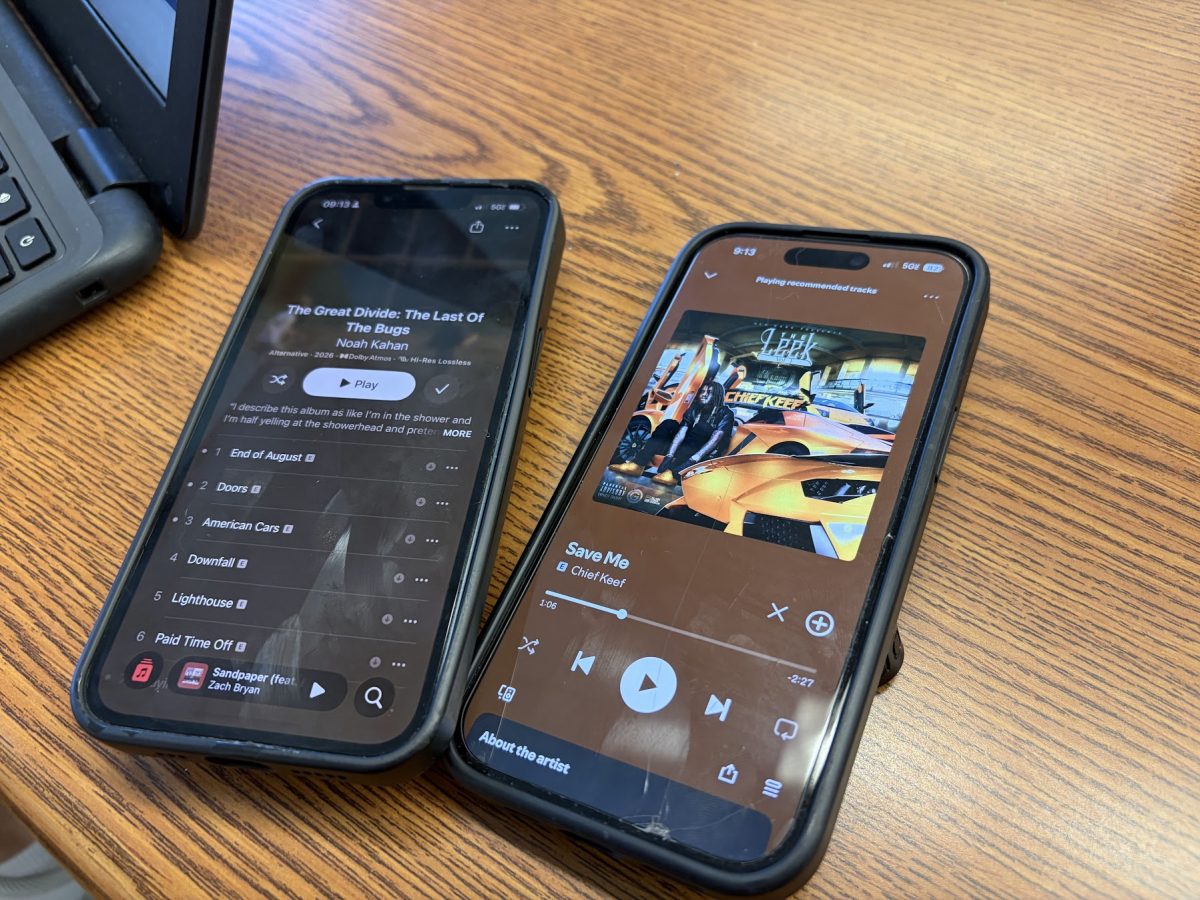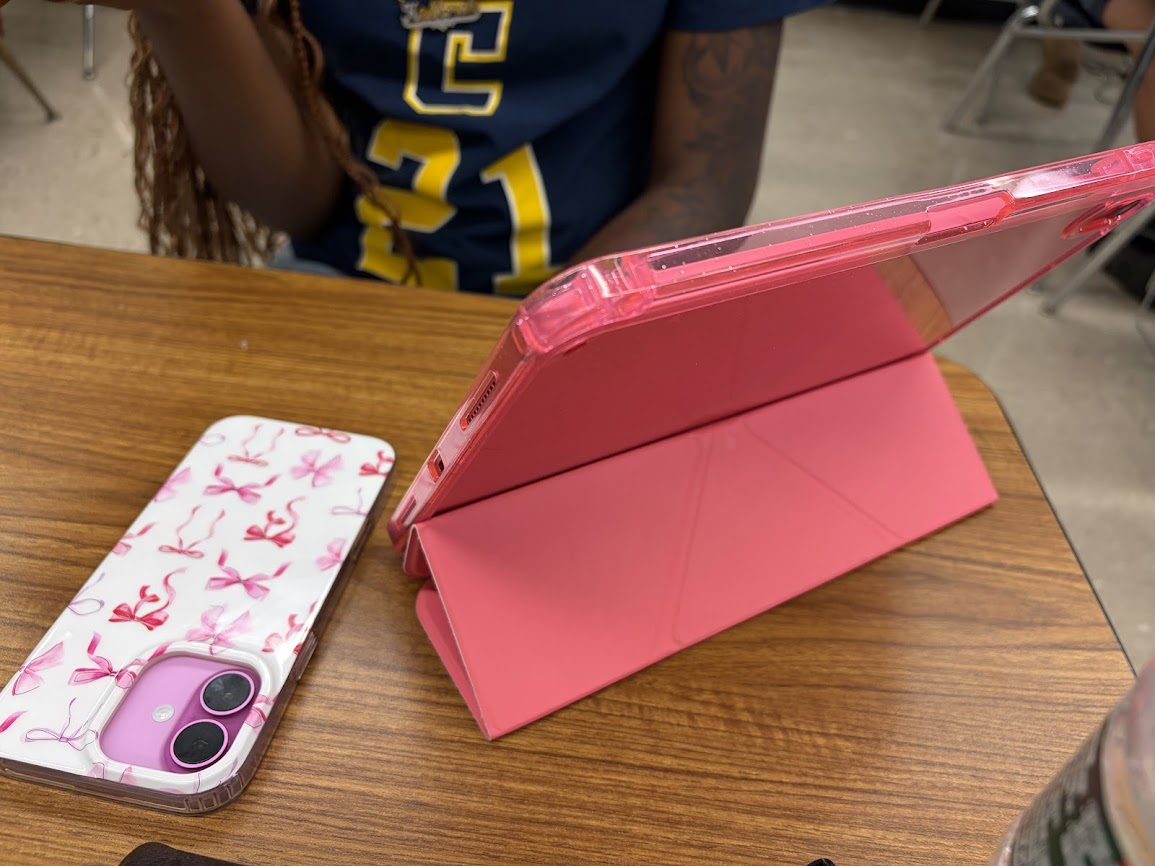
Internet, fines, limitations, and compatibility. All these things limit the ability for students to learn to their full potential when utilizing their devices. So what if they could bring their own?
Argument
Teachers are always looking for new ways to keep students engaged. Fun classwork, group assignments, and art projects, but what if the solution was a little simpler? BYOD…Bring your own device.
Studies show that students are most likely to get involved in learning when using devices that they are familiar with. Different technologies being brought also allow teachers to get creative with teaching.
With a BYOD policy in place, the need for this support is minimized, as students are more familiar with the devices they use. Students also bring up-to-date devices with them, which helps to reduce the load on IT departments, who must spend huge amounts of time re imaging devices on campus outside of term time.
BYOD allows students to work on their devices both on and off the school campus flexibly. They can decide when and where to use their devices, which will aid them in completing their work more efficiently.
It gives them access to materials and software they need without be limited to school restrictions. In my opinion, with proper planning and execution, making the jump to BYOD is possible.
Inclusivity
Counter-argument
However, there are some downsides to BYOD. For example, connection issues. Different devices have varying connection levels. If BYOD was to be approved, an adequate number and appropriate placement of wireless access points are crucial to ensure that students can access web resources when needed.
BYOD makes IT networks more susceptible to threats.
If students were allowed to bring their own devices fire-walls would have to be put in place and other fail safe measures.
“I would like to bring my own device, but I really wouldn’t bring it even if I had more access to the internet. I wouldn’t bring it due to the risk of breaking it.” Said Giavonna Whitsett, a student at Colonia High School. Lastly, BYOD can be very beneficial to both educators and students.
Students bringing devices can come with the risk of some students taking advantage of the privilege and using the devices for personal reasons.
Conclusion
In conclusion, implementing a BYOD policy in schools presents both significant advantages and notable challenges. While it empowers students to use familiar, up-to-date technology and can reduce strain on school resources.
It also introduces concerns around equity, security, and responsible use. By making participation optional and maintaining support for those who need district-issued devices, schools can work toward a balanced approach.
With careful planning, clear guidelines, and robust infrastructure. BYOD can enhance learning opportunities and better prepare students for the technology-driven world.