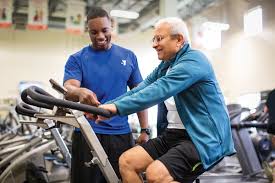
As people grow older, maintaining physical fitness becomes increasingly important for overall health and well-being. While many people associate exercise with losing weight or improving appearance, staying active offers benefits that go far beyond looks. Regular physical activity helps prevent chronic illnesses, strengthens the body, improves mental health, and allows older adults to remain independent for longer. Aging is a natural part of life, but poor health does not have to be. By exercising consistently and taking care of the body, people can improve both the quality and length of their lives.
Preventing Chronic Diseases
One of the most important reasons to stay physically fit is the role exercise plays in preventing chronic diseases. According to the Centers for Disease Control and Prevention (CDC), regular physical activity lowers the risk of heart disease, stroke, type 2 diabetes, and certain cancers. As people age, their risk for these illnesses naturally increases, making fitness even more essential. Exercise also helps control blood pressure, cholesterol, and body weight, all of which are important factors in maintaining long-term health.
In addition, physical activity strengthens the immune system and improves circulation. Even moderate forms of exercise, such as walking, biking, or swimming, can make a major difference in a person’s health over time. The CDC recommends that adults get at least 150 minutes of moderate exercise each week to maintain a healthy lifestyle. This shows that staying active does not require extreme workouts; consistency is what matters most.
Sandra Amorim, a mother who rides her bike every day, explained how exercise has positively affected her life. “Even a short bike ride clears my mind and gives me energy,” she said. Amorim also mentioned that daily movement helps her feel healthier and less stressed. Her experience reflects how simple activities can improve both physical and emotional health over time.
Strength and Independence
Another major benefit of physical fitness is maintaining strength and independence as people age. Over time, muscle mass and bone density naturally decrease, which can make simple daily tasks more difficult. Activities such as climbing stairs, carrying groceries, or getting out of a chair may become challenging for inactive adults. Strength training and regular movement help slow this process and keep the body functioning properly.
Exercise also improves balance, flexibility, and coordination, reducing the risk of falls and injuries among older adults. Falls are one of the leading causes of injury in seniors, and many of them can be prevented through physical activity. Remaining physically fit allows older adults to continue living independently and confidently instead of relying heavily on others for assistance.
Tiago Amorim, a 35-year-old man who has stayed active his entire life, believes consistency is the key to staying healthy. “You don’t need to be perfect. You just need to keep moving,” he said. Amorim explained that exercise has helped him stay disciplined, energetic, and mentally focused throughout adulthood. His perspective shows how building healthy habits early in life can lead to long-term benefits later on.
Mental and Emotional Benefits
Physical fitness is not only beneficial for the body but also for the mind. Exercise has been proven to reduce stress, anxiety, and depression while improving mood and sleep quality. Many older adults experience loneliness or emotional struggles, and regular activity can help improve mental health by increasing energy and boosting self-confidence.
Research has also shown that physical activity supports brain health and may lower the risk of memory loss and cognitive decline. Active adults often have better focus, sharper thinking skills, and a lower risk of dementia compared to inactive individuals. Staying physically active can therefore improve both emotional well-being and mental sharpness later in life.
Sandra Amorim also shared that riding her bike every morning gives her motivation for the rest of the day. “I feel stronger and happier when I stay active,” she said. Her statement highlights how exercise can positively influence both physical and emotional wellness.
Conclusion
In conclusion, physical fitness is one of the most important factors in maintaining good health as people age. Regular exercise helps prevent disease, strengthens the body, improves mental health, and supports independence. Although aging cannot be avoided, many of its negative effects can be reduced through an active lifestyle. By making physical fitness a priority, people can enjoy healthier, happier, and more independent lives well into old age.