The risks of social media
Scrolling through social media has become a daily habit for millions of teenagers. Platforms like Instagram, TikTok, and Snapchat allow young people to connect, share memories, and express themselves creatively. While social media has many positive aspects, it also creates an invisible pressure that affects teenagers’ mental health, confidence, and sense of identity.
One of the biggest problems is comparison. Teenagers are constantly exposed to carefully edited photos, expensive lifestyles, and unrealistic beauty standards. Many influencers and celebrities present only the best moments of their lives online, creating the illusion that everyone else is happier, more attractive, or more successful. As a result, many teenagers begin to feel insecure about their own lives. Instead of appreciating who they are, they chase impossible standards created by filters and editing apps.
Social media also affects mental health in dangerous ways. Studies have linked excessive screen time to increased anxiety, depression, and loneliness among teenagers. The pressure to gain likes, comments, and followers can make self-worth feel dependent on online approval. When a post does not receive enough attention, some teens feel rejected or unimportant. Cyberbullying makes the problem even worse because hurtful comments can spread instantly and remain online forever. Senior at Colonia High School, Alexa Beck, says “I think that social media needs a lot more monitors and ways to make sure that kids are safe on the apps. They shouldn’t have to worry about what they’re going to post because they’re scared of being bullied for it.”
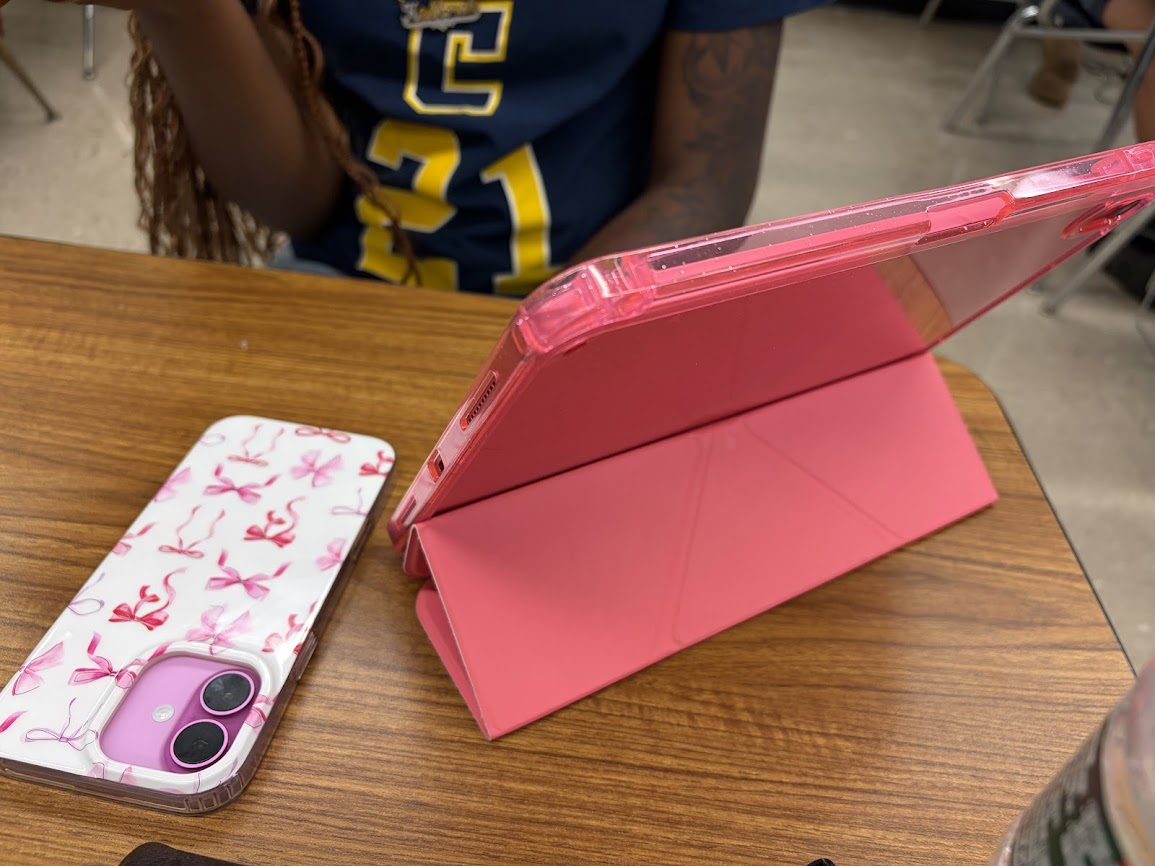
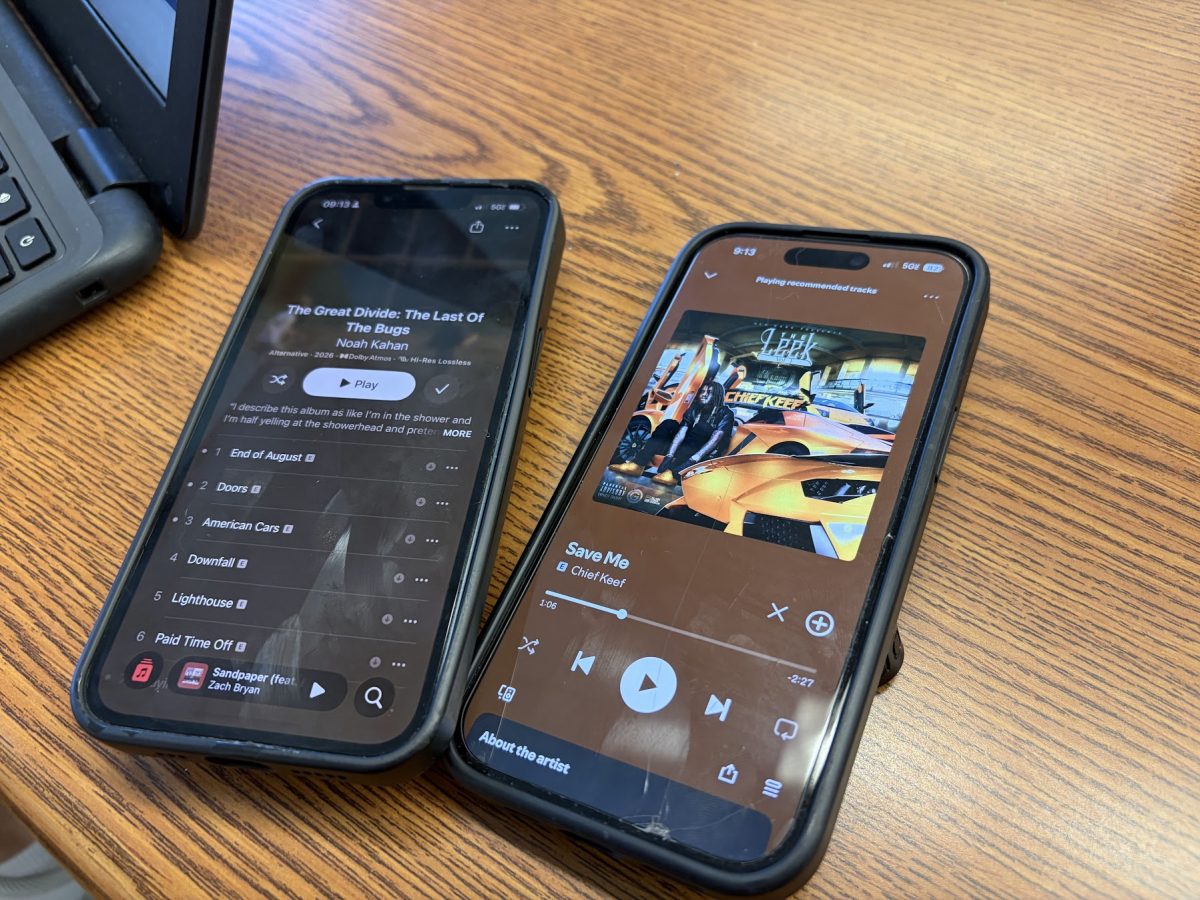
Another issue is the impact on real-life communication. Many teenagers spend hours interacting through screens instead of having face-to-face conversations. While online communication is convenient, it can weaken social skills and reduce meaningful personal connections. Friends sitting together often end up looking at their phones instead of talking to each other. This growing dependence on technology may leave people feeling more disconnected than ever before.
How to make teenagers use on social media safer
However, social media itself is not entirely the enemy. It can spread awareness, build communities, and give teenagers a platform to share their voices. Many young people use social media to support important causes, promote creativity, and connect with others who share similar interests. The real issue is balance and responsibility.
Parents, schools, and social media companies must work together to create healthier online environments. Schools should educate students about digital wellness and media literacy. Parents should encourage open conversations about online experiences instead of simply banning apps. Social media companies should also take greater responsibility for protecting users from harmful content and cyberbullying.
Teenagers today are growing up in a world where social media is unavoidable. The goal should not be to eliminate it, but to teach young people how to use it in a healthy and balanced way. Behind every screen is a real person with real emotions, and society cannot continue ignoring the silent pressure social media places on an entire generation.