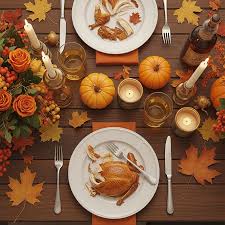
Thanksgiving is a cherished holiday in the United States, observed on the fourth Thursday of November. It marks a time for families and friends to gather, reflect, and express gratitude for the blessings in their lives. The origins and traditions of Thanksgiving are steeped in history and culture, reflecting a mix of Native American and early colonial practices.
The Historical Roots of Thanksgiving
The story of Thanksgiving dates back to the early 1600s when English Pilgrims settled in Plymouth, Massachusetts. In the fall of 1621, after a successful harvest, the Pilgrims organized a feast to celebrate their good fortune. They invited the Wampanoag people, who had helped them survive their first year in the New World. This three-day feast is often referenced as the first Thanksgiving, though the term “Thanksgiving” did not exist at the time.
Over the years, Thanksgiving evolved into a more formal holiday, with President Abraham Lincoln designating it as a national day of prayer and thanksgiving in 1863. Lincoln’s proclamation helped solidify the day as a unified celebration of gratitude amidst the turmoil of the Civil War.
Traditional Thanksgiving Foods
Central to the Thanksgiving celebration is the feast itself, which typically features a bounty of traditional foods. The star of the meal is usually a roasted turkey, symbolizing the harvest and the abundance of the season. Many families also serve stuffing, cranberry sauce, mashed potatoes, and pumpkin pie.
Each dish carries its own significance, reflecting the cultural heritage of the meal. For example, pumpkin pie, a dessert made from autumn’s most iconic vegetable, is often enjoyed as a nod to the Pilgrims’ early agricultural practices. Similarly, many families prepare green bean casseroles and sweet potato dishes, showcasing the season’s seasonal harvest.
Family Gatherings and Gratitude
Beyond the meal, Thanksgiving is a time for families to come together. Many people travel long distances to reunite with loved ones, creating an atmosphere filled with warmth and connection. Sharing stories, playing games, and enjoying each other’s company are integral parts of the celebration.
Expressing gratitude is of utmost importance during Thanksgiving. Families often take a moment before the meal to reflect on their blessings and share what they are thankful for. This tradition fosters a spirit of appreciation and reminds individuals to acknowledge the positive aspects of their lives, big or small.
Modern Traditions and Variations
In addition to traditional practices, many modern families have developed their own unique Thanksgiving traditions. Some might participate in volunteer activities, such as serving meals to the less fortunate or donating food to food banks. Others may celebrate with themed events, incorporating various cultural dishes into their feasts, embracing the diversity that characterizes contemporary American society.
Additionally, Thanksgiving Day parades and football games have become staples of the holiday. The Macy’s Thanksgiving Day Parade in New York City, featuring giant balloons and performances, has become an iconic representation of Thanksgiving celebrations.
Conclusion
Thanksgiving remains a significant holiday in American culture, embodying themes of gratitude, community, and heritage. Its rich traditions continue to evolve, bringing families together in various ways. Whether it’s through time-honored recipes, shared stories, or community service, Thanksgiving serves as a reminder of the importance of gratitude and togetherness in our lives. As we gather around the table with loved ones, we celebrate not just the food, but the bonds that tie us together in appreciation and love.